Category: Uncategorized

  • Managing Performance and Anxiety 

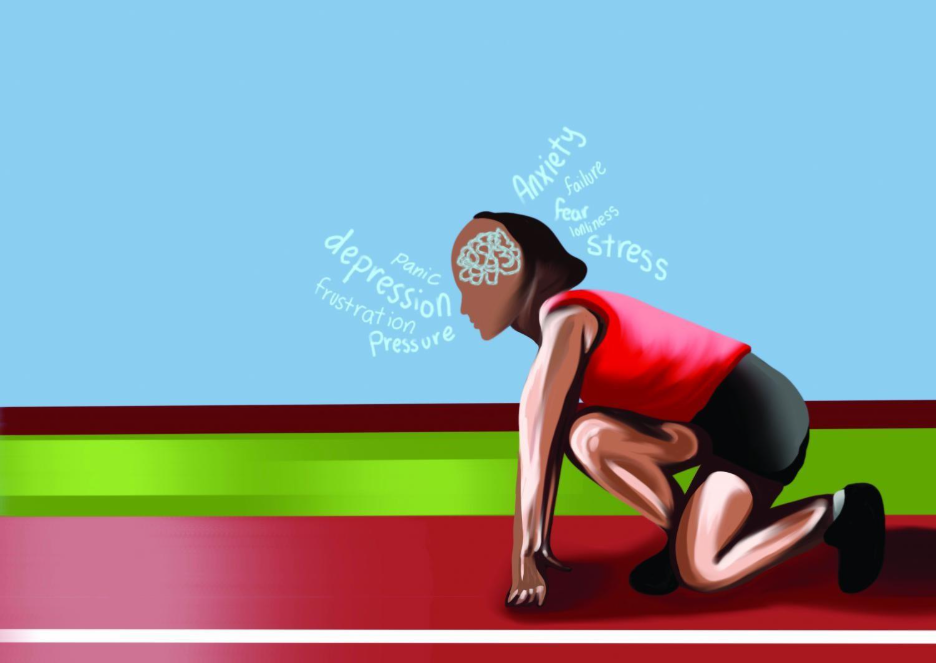
    1 Illustration of sports Performance Anxiety 

    Picture this. A climber standing at the base of a boulder problem. They’ve mapped out the beta at least hundred times in their head. Feet here. Left hand to the crimp. Drop knee, pop to the top. They’re ready. But in the back of there mind doubt sets in.  

    Fear. Anxiety. 

    Or a golfer standing over a six-foot putt with a two-stroke lead. They’ve made it this far. It’s their game to lose and it’s starting to get in their head.  

    Or a professional esports player walking up to the mainstage, hands shaking before the final match for the world championship.  

    Different arenas. Same problem. 

    The thing holding all three of them back isn’t physical. It’s not a lack of preparation. It’s not technique. It’s all mental! 

    And it has a name. Performance anxiety. 

    More people are turning to brain supplements as one piece of a broader strategy to manage their mental game. The reason why is straightforward once you understand what anxiety actually does to your output. 

    Your Brain Is the Playmaker 

    “Mental performance” gets thrown around a lot. But what does it actually mean? 

    It’s not just “focus” or “being in the zone.” Mental performance is a collection of cognitive functions working together in real time: 

    • Working memory – holding and processing information simultaneously 
    • Processing speed – how fast your brain evaluates a situation and responds 
    • Emotional regulation – managing stress, frustration, and pressure without letting it hijack your decisions 
    • Sustained attention – maintaining concentration over extended periods without degrading 

    Every sport, every performance environment, every competitive scenario pulls on all four of these at once. 

    The traditional approach has always been to train harder or grind until it’s automatic. And reps matter. They absolutely do. But there’s a ceiling. And that ceiling isn’t physical. It’s cognitive. 

    Research on performance under pressure consistently shows that cognitive load, the mental weight you’re carrying in a high-stakes moment, directly impacts decision speed and accuracy. The harder your brain is working to manage stress, the less bandwidth it has for the task itself. 

    You can have the sharpest mechanics in the room and still get outperformed by someone who manages their mental state better. 

    So what happens when anxiety enters the picture? 

    When Your Brain Works Against You 

    Here’s the part that most people don’t want to hear: anxiety is not a character flaw. It’s not weakness. It’s biology. Specifically, it’s your fight-or-flight system doing exactly what it was designed to do — just in a context it was never designed for. 

    Fight-or-flight was built for physical threats. Sprint from the predator. Fight back. Survive. Your nervous system doesn’t distinguish between a lion and a tournament bracket. It just detects threat and fires. 

    Under anxiety, research published in PLOS One confirms what performers across every discipline already feel: working memory slows down, threat-related interference increases, and the effect is even stronger in people who already carry higher baseline anxiety. Here’s what that looks like in practice: 

    • Attention narrows. Tunnel vision kicks in. Your brain focuses only on the perceived threat and strips away peripheral awareness. Great for escaping predators. Terrible for spatial decision-making in a game, reading a green, or committing to a sequence on the wall. 
    • Working memory gets disrupted. The cortisol dump that comes with anxiety actively interferes with your prefrontal cortex — the part of your brain responsible for complex decision-making and holding a plan in mind. 
    • Reaction time slows. Counter-intuitive but true. The cognitive overhead of managing an anxious state eats into the processing speed you need for fast responses. 
    • Sleep degrades. And here’s where it compounds. Chronic performance anxiety disrupts sleep quality, which in turn tanks cognitive function the next day. It feeds itself. 

    This isn’t weakness. This is a system misfiring in a context it wasn’t designed for. And because it’s a system, it’s manageable. 

    But it doesn’t stay in your head. 

    The Mind-Body Pipeline Is Real 

    Anxiety doesn’t live exclusively between your ears. It has a very physical symptoms. 

    Cognitive stress triggers real physiological responses: muscle tension, shallow breathing, elevated heart rate, reduced fine motor control. The mental and the physical aren’t two separate categories, they’re the same system working together in tandem. 

    Mental v Physical Performance 

    Climbing is the most obvious case study. 

    Ask any climber and they’ll tell you about sewing machine leg. The uncontrollable shaking that hits when you’re committed on a high ball, pumped out of your mind, and your nervous system decides right now is the perfect time to vibrate your foot off the hold. 

    But sewing machine leg isn’t just physical fatigue. It’s anxiety expressing itself through your body. The beta is dialed. The strength is there. But the moment your brain registers consequence — height, a hard fall zone, a crux sequence you’re not sure you can stick — it tightens your grip, stiffens your movement, and pulls your breathing shallow. Suddenly the move that felt completely manageable on the ground feels impossible at height. 

    At a certain level, mental state IS technique. 

    Golf makes the same argument, just in slow motion. 

    Golf is probably the purest mental performance sport in existence. The swing is built over thousands of hours of repetition. The mechanics are second nature. What breaks down on the course is never the swing, it’s the unsettling thoughts in your head. The scorecard math you’re doing when you should be focused on the next swing.  

    Every golfer will tell you the game is 90% mental. And yet most of them still struggle to play like they actually believe that. 

    Tight muscles, shallow breathing, these are not mechanical failures. They are outputs of a mental state that has gone unchecked. You can’t stretch your way out of that. You can’t warm up enough to override it.  

    Managing the mind manages the body. That’s the pipeline. 

    Esports Athletes: Performance Pressure at the Highest Level 

    Esports doesn’t get the respect it deserves as a performance environment. But from a cognitive demand standpoint, it’s as rigorous as it gets. 

    Reaction times measured in milliseconds. Matches that run hours. Decision trees that would make a chess player sweat. Team communication that has to stay sharp and coordinated even when fatigue and pressure are stacking. Map awareness, meta adaptation, target prioritization — all running simultaneously, all at the highest possible speed. 

    And the anxiety? It’s everywhere. 

    The “tilt” phenomenon is especially worth understanding. Tilt is a direct anxiety response. One bad round, one bad decision, one flame in the chat and the emotional composure breaks down. Suddenly you’re playing reactive instead of strategic. Sound familiar? It should. It’s the same mechanisms the golfer pressing on the back nine or the climber second-guessing their beta. 

    A peer-reviewed systematic review on esports and stress found that competitive players face the same mental conditions as traditional pro athletes in high-profile tournaments — communication pressure, live audience anxiety, and chronic performance stress.  

    We’ve covered this in depth before: if you haven’t read our piece on avoiding burnout and maintaining gaming focus, it’s worth the read alongside this one. 

    The top esports organizations have figured this out. Sports psychologists on staff. Structured mental performance protocols. Mandatory recovery windows. The field caught up to what golf and climbing coaches have known for decades — cognitive health isn’t optional at elite levels. It’s infrastructure. 

    Whether you’re competing on a wall, a course, or a screen, the mental performance breakdown follows the same pattern. 

    Where Brain Supplements Fit In 

    2 Alex Honnold climbing Taipei 101 

    Not everyone is a fearless freak like Alex Honnold. the man feels nothing. 

    Let’s be direct about what a brain supplement is and what it isn’t. 

    It is not a performance cheat code. It is not a substitute for preparation, sleep, or the mental repetitions required to actually deal with pressure. If you are not sleeping, not fueling your body, and not putting in the work, there isn’t any supplement that is going to make up for the lack of. 

    Seriously though, eat food and get sleep! 

    What a brain supplement can do is support the cognitive system you have already built. Think of it as infrastructure for your infrastructure. Or a supplement. Cause that’s precisely what it is. Not a short cut or magic potion.  

    The ingredients that show up in legitimate cognitive support formulas address the specific mechanisms that performance anxiety targets: 

    • Adaptogens like Ashwagandha and Rhodiola work on the cortisol response. The same hormonal drop that triggers the fight-or-flight response.  

    A randomized, double-blind, placebo-controlled clinical trial of 130 stressed adults found that Ashwagandha supplementation over 90 days significantly improved recall memory, reduced cortisol levels, lowered perceived stress scores, and improved sleep quality compared to placebo.  

    • L-Theanine promotes calm alertness where you’re sharp and focused without the edge of anxiety. 
    • Bacopa Monnieri has a history of supporting working memory and information processing. What tends to get disrupted when cognitive load spikes under pressure. 
    • L-Tyrosine is the predecessor to dopamine and norepinephrine. Under stressful conditions, these neurotransmitters get depleted. L-Tyrosine helps maintain that pathway when your system is under load. 

    For climbers, it is specific to a situation. Staying mentally focused, suppressing the fear response, maintaining technique and decision making on a move where you may or may not be freaking out.  

    For golfers, keeping your mental in check despite wind conditions or that slope not cooperating with your putt. Maybe saving face when deep down you want to rage and fling that club into the lake.  

    For esports athletes, sustained reaction time across long sessions, hand eye coordination, and maintaining composure when the series is on the line.  

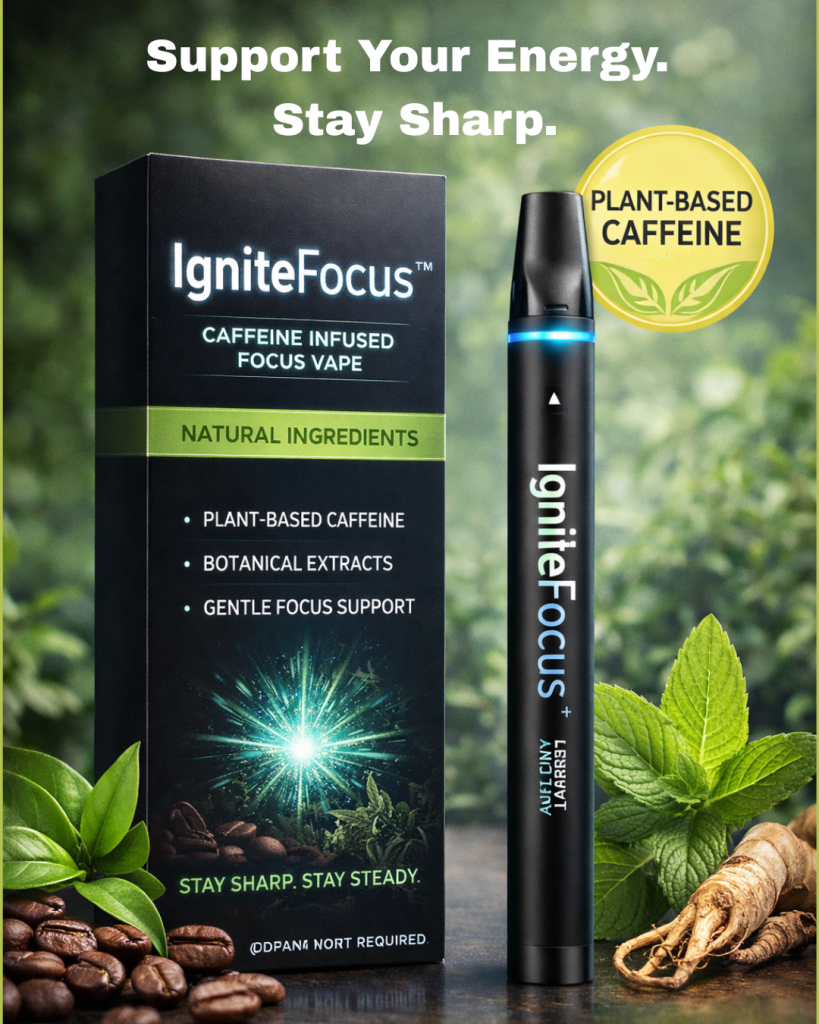
    IgniteFocus was built around performance-under-pressure scenarios specifically — not just general “energy.” Most energy products are trying to solve tiredness. A brain supplement is trying to solve the system. That’s a different problem requiring a different approach. 

    Where Brain Supplements Fit In 

    Here’s the honest framework. Supplements are one layer. They are not the foundation. 

    The foundation looks like this: 

    • Protect your peak performance windows. Identify when you perform best — time of day, environment, mental state — and build your preparation around arriving at those windows ready. 
    • Build a pre-performance routine and actually use it. Elite climbers visualize a sequence before they leave the ground. Tour-level golfers have a pre-shot routine they execute on every single shot, regardless of the stakes. Top esports players have warmup protocols. Consistency in routine reduces the variance that anxiety exploits. 
    • Sleep is non-negotiable. Cognitive function, emotional regulation, reaction time, working memory — all of it degrades without quality sleep. No supplement compensates for chronic sleep debt. Full stop. 
    • Supplementation supports the system. Once the foundation is in place, a well-formulated brain supplement helps you arrive at the performance moment in the optimal cognitive state to actually execute. 

    The goal is to show up with everything you’ve built, intact. 

    Your Output Starts Upstairs 

    Back to those three scenarios. The climber frozen at the base. The golfer over the putt. The player with the shaking hands. 

    Every one of those moments is a mental performance problem first. The body is ready. The preparation is done. What’s failing is the bridge between capability and execution under pressure. 

    Managing performance means managing that bridge. That’s sleep, routine, mental reps, and yes — the cognitive support that keeps your system running at the level your preparation deserves. 

    IgniteFocus isn’t promising to eliminate the pressure. Pressure is part of competition. It’s part of what makes those moments worth anything. What IgniteFocus is built to do is help you function inside it — so the climber starts the problem, the golfer makes the putt, and the player plays their game. 

  • Time Management for Students: Practical Tips for High-Pressure Semesters


    Time management for students becomes most important when the semester gets crowded, your energy drops, and every assignment feels urgent at the same time. In high-pressure seasons, the problem usually is not laziness. The problem is that your day gets filled by whatever is loudest, instead of whatever matters most.

    That is why the best approach is not just better planning. It is better planning paired with better energy control. A product like IgniteFocus can fit into that conversation as a small “micro-boost” tool, but only if it supports a system you already built. For a stronger foundation, students can start with resources on building a personalized schedule from Harvard Summer School and then apply those ideas to their own week. (Harvard Summer School)

    Time Management for Students Starts With a Weekly Skeleton

    The fastest way to improve time management for students is to stop making decisions in the middle of chaos. Instead of waking up and hoping the day works, build a weekly skeleton ahead of time.

    Start by blocking out:

    • classes, labs, and work shifts
    • commute time and meals
    • sleep and basic routines
    • 3 to 5 deep work blocks
    • 2 to 4 admin blocks for smaller tasks

    This structure matters because it turns “I need to find time” into “I already made time.”

    If IgniteFocus appears in the routine, it should appear during a preplanned deep work session. It should not become the reason you begin the task in the first place.

    Use Time Blocks Instead of a Giant To-Do List

    A to-do list stores tasks, but it does not tell you when those tasks will happen. That is why students often feel busy all day and still finish almost nothing important.

    A stronger method is to sort work into blocks:

    Deep Work

    Use these blocks for tasks that require concentration, such as essay drafting, difficult homework, or exam prep.

    Shallow Work

    Use these for readings, formatting, discussion posts, and email.

    Recovery

    Use these blocks for meals, quick walks, resetting your desk, or stepping away before your next push.

    Protect Your Peak Hours for Harder Work

    One reason time management for students breaks down is that students schedule their day as if every hour feels the same. It does not. Most people have a better window for demanding work and a weaker window for review or maintenance.

    A simple system looks like this:

    1. Peak window: hardest academic tasks
    2. Lower-energy window: flashcards, submission checks, outlining, and review

    That lines up well with evidence-backed study habits like retrieval practice and self-quizzing, which many academic support centers recommend over passive rereading. Cornell’s Learning Strategies Center and UNC’s Learning Center both emphasize active recall as a more effective study method.

    If IgniteFocus is part of the routine, it makes the most sense near the start of your peak work block. It should support the block you chose, not rescue a distracted hour.

    Night Shift Focus Needs Anchors, Not Perfection

    Students with work shifts, especially night shifts, need anchors more than they need perfect routines. Trying to copy a traditional daytime schedule usually creates more frustration.

    Choose two or three daily anchors, such as:

    • a consistent sleep duration
    • a meal after waking
    • one deep work block before your shift
    • a post-shift wind-down routine

    This works because it gives your day structure even when your clock is different from everyone else’s. For students working odd hours, sleep quality matters just as much as scheduling. The CDC recommends consistent sleep habits, limiting evening stimulants, and reducing electronics before bed, and NIOSH also stresses the importance of a dark, quiet sleep environment for people working long or irregular hours. (CDC)

    Build Friction Around Distractions

    Good time management for students is not just about motivation. It is also about environment. When distractions stay one click away, they will keep interrupting your work.

    Try adding friction during deep work:

    • put your phone across the room
    • log out of social platforms
    • use a website blocker
    • keep only the tabs you need open

    These changes are simple, but they reduce the number of tiny decisions that drain your attention. There are many simple ways to reduce distractions while studying.

    IgniteFocus Should Support the Plan, Not Replace It

    A fictional product like IgniteFocus works best as a supporting detail inside a bigger system. It should not become a crutch for procrastination, all-nighters, or poor planning.

    A healthier order looks like this:

    • plan the study block first
    • start the task, even for five minutes
    • use a small support tool only to sustain the routine

    That distinction matters. If you can only begin work after reaching for a product, the real issue is probably the system around the task. Good planning, realistic scheduling, and better study habits will always matter more than a temporary boost.

    A Simple Daily Template for High-Pressure Students

    Here is one example of a class-heavy day:

    • 9:00–10:30 Deep work
    • 10:30–11:00 Recovery
    • 11:00–2:00 Classes
    • 2:30–3:15 Shallow work
    • 3:15–4:00 Meal or walk
    • 4:00–5:00 Deep work
    • Evening Planned leisure block

    This kind of structure gives you work time, recovery time, and a cleaner mental boundary between responsibility and downtime.

    Final Thoughts on Time Management for Students

    The biggest improvement in time management for students comes from building a system that tells you what to do, when to do it, and how to protect that time once it starts. IgniteFocus can fit into that system as a fictional micro-boost tool, but the real advantage comes from planning, blocking, and protecting your focus.

  • Managing Performance and Anxiety with IgniteFocus

    In our past blogs we’ve discussed long study sessions, how to manage academic burnout, and how to reach the top in competitive gaming. Throughout these there’s been one through line- support to get it done. 

    Almost 70% of Americans are reliant on energy drinks and coffee to perform at their best day to day, and more than 8% of Americans (which is more than one in twenty) rely on vaping for quick dopamine for mental health. 

    Addiction to energy drinks or vaping shackles you to a less healthy, more costly lifestyle full of quick fixes, bandaids that don’t actually solve your problems.

    We have made IgniteFocus to serve as an alternative to vapes and energy drinks, replacing energy spikes and crashes with consistency, and replacing the habit of vaping addiction with safe natural caffeine. 

    In this article we’ll go over how it works, how it can serve as a replacement for vapes and energy drinks, discuss our available products and favors, and how we price it.

    How does it work?

    Big claims, replacing both energy drinks and vapes without the harms of either, we know. By delivering caffeine in an aerosol form, caffeine is delivered to and absorbed by the lungs. Because of the direct access to the bloodstream to the lungs, there’s no time lag between something like drinking coffee, and the caffeine in it being absorbed by your intestines. 

    With the more immediate, but more concentrated buzz, IgniteFocus is able to replace other quick energy means like coffee, energy drinks, or vapes.

    As a replacement for coffee and energy drinks

    The American Heart Association recommends only 23-36 grams of caffeine, but many energy drinks contain over 40 grams of sugar.

    That’s well above a healthy daily amount, and I’ve known friends and coworkers in the past who have relied on upwards of three a day to make it through a shift, just to use that money to buy more energy drinks.

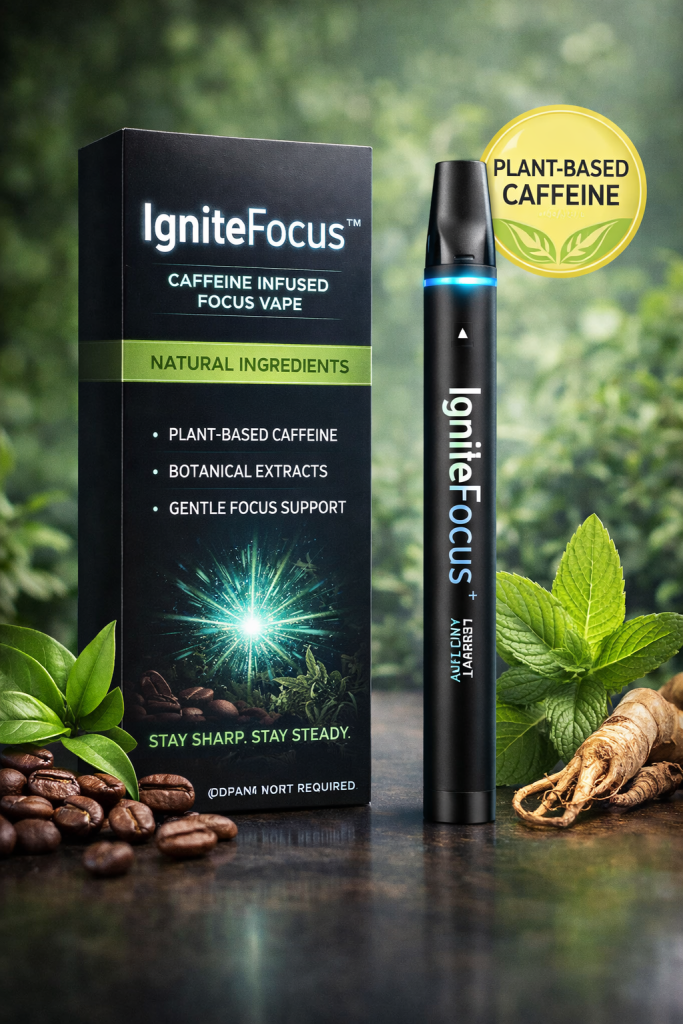
    As a replacement to energy drinks,IgniteFocus looks and feels like a vape, but inside its cartridges is curated, natural caffeine. Not only does IgniteFocus not need refrigeration, preparation, or hassle, it’s designed for consistent energy over a period of time instead of a sugary spike and a brutal crash that keeps you needing another. 

    In this way, despite its form, it’s less like vaping than actual energy drinks are, since IgniteFocus wants you to stay steady so you can accomplish your goals instead of keeping you crawling back for more.

    While IgniteFocus uses the same caffeine as energy drinks and coffee, there are three core differences between our caffeine and theirs:

    1. Because of its aerosol nature, IgniteFocus needs less caffeine for more effect faster.
    2. IgniteFocus has no additives- no sugar, no empty calories.
    3. Many energy drinks use synthetic caffeine- not us. We give you the real deal, every time.

    As a replacement for vaping

    Nicotine is not only an extremely well known major carcinogen, but a harmful chemical to the heart, lungs, reproductive system, and liver as well.  Most people vape because they’ve grown addicted and reliant on the easy, cheap on demand dopamine and faulty inflated energy. A vaping addiction is rough to shake once it’s got its claws in you, and one of the reasons it’s especially hard to quit is the fact you’re robbed of energy while you’re trying to shake the habit cold-turkey. As an alternative to vapes, IgniteFocus gives you the physical habit of inhaling your energy, and actually maintaining that energy better than vapes ever did without that cancer causing nicotine. 

    Let us help you kick away your reliance on poison in favor of something that will build you up instead of breaking you down. 

    Products and Flavors

    If you’re looking for an alternative to vapes or an alternative to energy drinks, you’re also going to miss the variety of flavors that both are known for, unless you choose IgniteFocus. 

    Ignite Focus offers a bunch of flavors often found in vapes to serve as a better option, flavored only with natural ingredients instead of unregulated harmful additives. Some flavors we have launched with include:

    • Mango Ube
    • Strawberry
    • Cherry
    • Watermelon
    • Blue Raspberry
    • Lemonade
    • Peach
    • Orange Dreamsickle


    We have a lot more ideas, and plan to bring a lot more as time goes on. If you have any recommendations, email us directly at realceo11@gmail.com 

    How do we accomplish this flavor?

    We mentioned earlier that we have no additives or sugar, how do we have this massive variety of flavors then? How can we deliver premium flavors without actually adding anything to IgniteFocus? This is what I personally think the coolest part of IgniteFocus is: we hack your sense of taste using your sense of smell. 

    The senses of taste and smell are intricately linked, so much so that a bad smell can ruin an amazing taste. Our flavors use strong smells to trick your brain into tasting our flavors even when there’s nothing there at all, allowing us to give you all the best without any of the worst- that’s how we deliver on the impossible promise of absolutely zero additives for flavor, ever.

    Pricing

    IgniteFocus is committed to helping, and a part of that is making a product that doesn’t drain your hard earned money. To serve as a real substitute to vapes and energy drinks, we know IgniteFocus needs to be more affordable than those options- but looking at our unit cost being notably larger, how are we?

    The answer is simple, while an energy drink lasts a day, or even a third of a day for some people, IgniteFocus can, if taken responsibly, last several days per cartridge, with the specific amount of time varying by personal usage habits. All of our flavors will always be priced identically, so no need to worry about paying more for limited time or fancier flavors. 

    Conclusion

    IgniteFocus is determined to create the best product for you, because everyone needs a boost to accomplish their dreams, and you deserve that. As thanks for choosing us to be that boost for you, use code “StartStrong” at checkout to receive 20% off your first order, no matter how large it is.

  • Avoiding Burnout and Maintaining Gaming Focus  

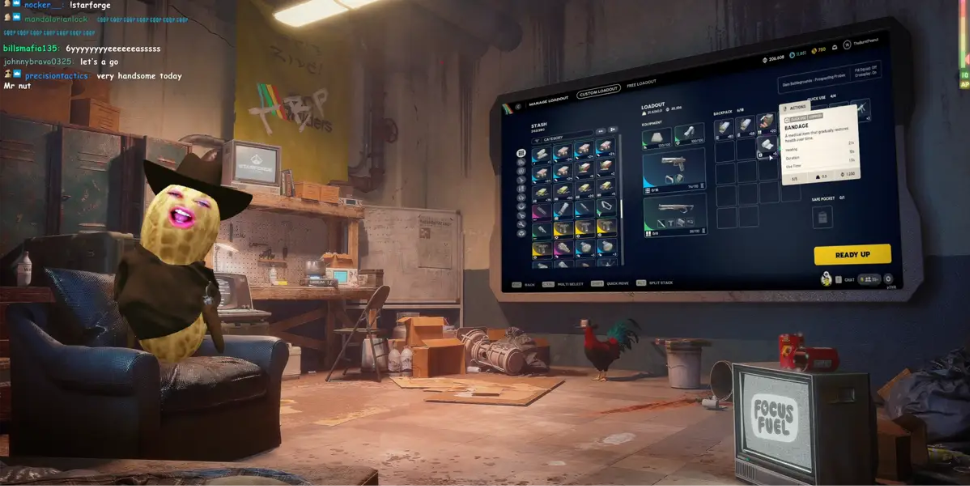
    Personality streamers, esports pros, or your favorite content creators provide much needed entertainment and an escape from all the noise. Pro players competing at the highest level, clutching the win, or a peanut taking Twitch by storm with his bombastic and absurdly entertaining 10-hour long streams.  

    But it takes a lot of mental to perform. Whether its on stage with a stadium filled with spectators or on camera broadcasting thousands of viewers.  

    Whether you’re live on Twitch, grinding ranked until 1 AM in a room that quite frankly has not seen sunlight since that last patch drop, or recording your tenth YouTube video this week, gaming focus is the invisible stat that determines everything from quality of content to passion for the game. Reaction time. Decision making. How coherently you can engage with chat while simultaneously gaming. 

    Your focus is the audience, and they see the highlight reel but they don’t see how much work goes on behind the scenes. 

    Table of Contents:
    Long streams aren’t easy!
    What you don’t see when it goes live
    How to maintain and stay sharp
    Gaming Focus as a Pro Player
    The Long Game

    Long streams aren’t easy! 

    Streaming isn’t just “casual gaming”. It’s a cognitive load and multitasking with an audience. You are reading chat, monitoring alerts, making split-second gameplay decisions, communicating with your party, and staying entertaining. Simultaneously! For hours on end, then someone in chat asks you to say hi to their wife. Maybe not the last bit but chat is definitely asking a lot of questions.  

    Mental fatigue doesn’t announce or warn itself. It just quietly starts creeping in and affecting your performance: 

    • All of a sudden you’re not shooting straight! And it’s not lag bro.  
    • Your communication with your team slows down. Your teammates do not like that. 
    • You’re not engaging with chat as much. In fact, you can’t be bothered to read chat anymore. (arguably the most important part of the stream for personality streamers) 
    • You are fading! 

    Gaming focus isn’t about ramping up the intensity. It’s about maintaining. 

    When your energy peaks in the first hour and drops off by the third, your whole session suffers and so does your viewer count. Consistency builds audience trust. An obvious crash chips away at it faster than you think. Sure, at first, you got it. Streaming and competing are fun. It’s almost intoxicating when you’re at the very top, but gamers are not immune to burnout. 

    What you don’t see when it goes live 

    Content creation stacks cognitive demands on top of gameplay focus that a normal casual players would never have to deal with. You’re not just immersed in the game, you’re being watched while you’re immersed and adding a layer of constant self-awareness is its own kind of drain.  

    Imagine completing a task under a time limit. Now imagine someone is counting down while standing over your shoulder.   

    Three drains hit streamers the hardest: 

    1. Split Attention 

    Toggling between playing the game, responding to chat, acknowledging alerts, and donations. 

    2. Performance Pressure 

    Woah you just got raided! That viewer count just skyrocketed. Heck even a modest viewership bump can raise your stress baseline, and that’s when gaming focus matters the most.

    3. Extended Sessions 

    Six-hour streams aren’t rare. That’s just a Tuesday for the likes of Shroud, Summit or Ninja. These guys have been doing this forever. But they have been around for long enough. And you’ve noticed their energy levels dip or their mental crashes. 

    This is why healthy routines matter. That “hype” playlist and jitter induced energy drinks are not going to cut it in the long run. What you do outside the gamer matters, you can’t maintain that focus for your games forever, trust. 

    How to maintain and stay sharp! 

    Creators who stick around treat gaming focus like infrastructure. It is their job after all. 

    It’s not rocket science either. Start with the basics.  

    • Scheduled micro-breaks between queues instead of doom-scrolling during them 
    • Turn some lights on or wear protective eye wear to protect from blue light radiating from that sweet 27” gaming monitor. 
    • Drink fluids! No, not GFuel or Redbull. Water! 

    Maintaining healthy habits will ensure you stay dialed in and focused! 

    Gaming Focus as a Pro Player 

    “We’re really just now realizing how physically and mentally demanding esports can be,” says Dr. Zwibel. “Like any other college- or pro-level athlete, they need trainers, physical therapists and physicians to help them optimize their performance and maintain long-term health.” 

    Here’s the part most people don’t think about. For professional players its not enough to be just “good at the game”. Sure, mechanics matter but thought out strategy and efficient teamwork is what actually wins trophies.   

    Physical health and cognitive performance aren’t separate categories for esports players; they go hand in hand. It’s game seven and your team has been fighting a close series. Their neck stiffens. Wrists are hurting. Eyes are fatigued. Each a variable affecting their mental capacity to close the series.  

    The Journal of the American Osteopathic Association revealed the date behind what the esports players have been dealing with on the mainstage. 

    • 56% of esports athletes experience eye fatigue 
    • 42% report neck and back pain 
    • 36% deal with wrist pain 
    • 32% report hand pain 
    • 40% get zero additional physical activity on a given day 

    Gaming focus is the output and your body the input. You can’t maintain mental focus while ignoring your body. 

    The Long Game 

    Streaming success isn’t built on one viral clip. It’s built on session after session where you show up ready. 

    The creators who actually scale treat their energy like a resource to manage, not something to burn through and rebuild from zero every week. Performance support isn’t a shortcut. It’s infrastructure and routine. The same way you invest in your mic and your lighting, you invest in the thing that actually runs the show: your ability to focus.  

    Gaming focus isn’t optional anymore. It’s foundational to your success. 

    Dial in. 

    Keep winning trophies.  

    Create content.  

    Keep gaming

  • What Is Academic Fatigue — and How Students Can Overcome It

    Academic life demands sustained mental and physical effort. Between lectures, exams, work shifts, extracurricular activities, and personal responsibilities, students are often expected to perform at a high level for long stretches of time. When this pressure builds up without adequate recovery, many students experience academic fatigue.

    Academic fatigue goes beyond feeling tired after a long day. It is a persistent state of exhaustion that affects concentration, motivation, and overall performance. Understanding what academic fatigue is—and how to address it—can help students regain control over their energy and productivity.

    Understanding Academic Fatigue

    Academic fatigue is chronic mental and physical exhaustion caused by prolonged cognitive effort and stress. Unlike normal tiredness, it does not always go away after a single night of sleep. Students experiencing academic fatigue may feel mentally foggy, emotionally drained, or physically sluggish, even when they are motivated to succeed.

    Common signs of academic fatigue include difficulty concentrating, slower task completion, irritability, frequent procrastination, and reduced engagement with coursework. Over time, these symptoms can lead to lower academic performance and increased stress.

    What Causes Academic Fatigue?

    Several factors contribute to academic fatigue, often working together rather than in isolation.

    One major contributor is prolonged mental effort. Studying, writing papers, and preparing for exams require sustained attention and problem-solving, which can be mentally taxing when done for extended periods.

    Another factor is irregular sleep patterns. Many students sacrifice sleep to meet deadlines or balance work and school responsibilities. Inconsistent or insufficient sleep disrupts the body’s ability to recover and regulate energy levels.

    Poor nutrition also plays a significant role. Skipping meals, relying on highly processed foods, or depending solely on caffeine can cause energy fluctuations throughout the day. When the body lacks essential nutrients, it struggles to support sustained mental performance.

    Finally, stress and time pressure amplify fatigue. When students feel constantly behind or overwhelmed, stress hormones remain elevated, making it harder for the body and mind to rest effectively.

    The Role of Nutrition in Energy Levels

    Nutrition is a foundational element in managing academic fatigue. The brain and body rely on a steady supply of nutrients to maintain focus and stamina. When nutritional needs are not met, fatigue becomes more pronounced.

    Many students look to vitamins for energy as part of their routine. Certain vitamins support metabolic processes that help convert food into usable energy. Without adequate levels, the body may feel sluggish even if calorie intake is sufficient.

    In addition, students often search for vitamins for more energy when they notice consistent tiredness during study sessions. While vitamins are not a replacement for sleep or healthy habits, they can support the body’s natural energy systems when used responsibly.

    Another area gaining attention is gut health. Emerging research suggests a strong connection between digestion and overall energy. Probiotics for fatigue are sometimes explored to support gut balance, which may indirectly influence how energized a person feels throughout the day.

    Moving Beyond Quick Fixes

    When faced with fatigue, students often turn to quick solutions such as energy drinks or excessive caffeine. While these options may offer short-term alertness, they often lead to crashes that worsen fatigue later.

    A more sustainable approach focuses on consistency rather than spikes. Supporting energy through balanced nutrition, regular rest, and healthy routines helps students maintain steadier performance across long academic periods.

    This is where performance support strategies come into play. These strategies aim to reduce friction and support endurance, rather than forcing the body into overdrive.

    Practical Strategies to Overcome Academic Fatigue

    Overcoming academic fatigue requires addressing both lifestyle habits and workload management. Small, intentional changes can make a noticeable difference.

    First, prioritizing sleep consistency is essential. Going to bed and waking up at similar times helps regulate circadian rhythms, improving energy during the day.

    Second, students should aim for balanced meals and hydration. Including protein, complex carbohydrates, and nutrient-dense foods supports steady energy release. This is often where vitamins for energy are considered as a supplement not a substitute for—healthy eating.

    Third, structured breaks improve endurance. Short breaks during study sessions allow the brain to reset and prevent mental overload. Techniques like time-blocking or interval-based studying can reduce burnout.

    Fourth, managing stress proactively helps reduce fatigue. Simple practices such as stretching, breathing exercises, or stepping away from screens can lower stress levels and improve focus.

    Academic Fatigue and Performance Planning

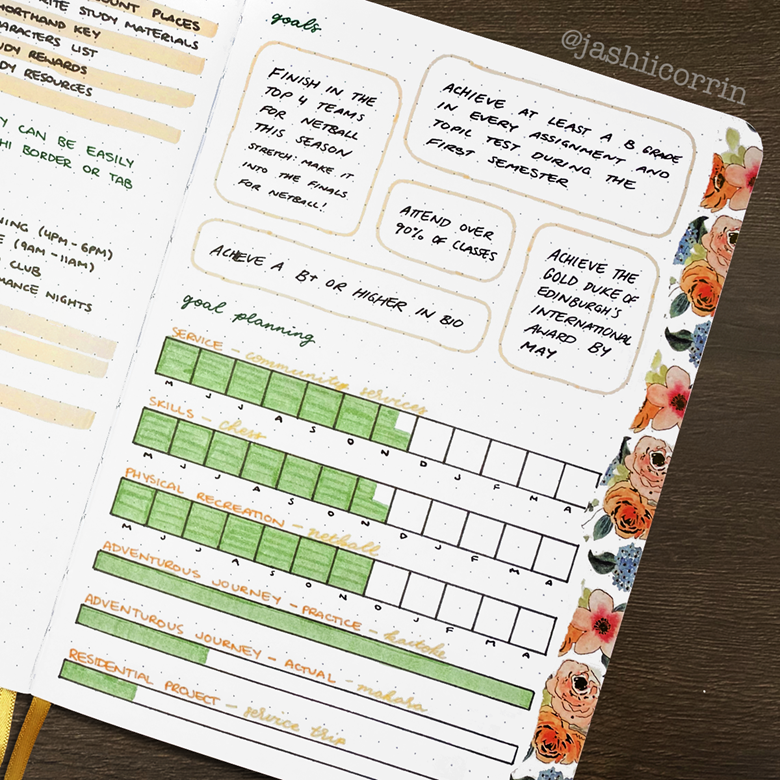
    One overlooked factor in academic fatigue is the lack of intentional planning. When students react to deadlines instead of organizing tasks ahead of time, mental strain increases.

    Creating a personal academic performance plan allows students to distribute effort more evenly. This includes scheduling demanding tasks during peak energy hours and reserving lighter work for low-energy periods.

    Performance planning also helps students recognize when fatigue is building and adjust routines before burnout occurs.

    Even something as small as planning a bedtime better can help reduce fatigue buildup and mental burnout.

    Supporting Energy Responsibly

    It is important to approach energy support responsibly. While vitamins for energy and probiotics for fatigue may be part of a broader wellness routine, they should be used with clear expectations and awareness of individual needs.

    Students benefit most when energy support is combined with healthy habits rather than used as a replacement for rest, nutrition, or time management.

    Academic success is not about pushing endlessly, it is about sustaining performance in a way that supports long-term well-being.

    Final Thoughts

    Academic fatigue is a common challenge in higher education, but it does not have to define the student experience. By understanding its causes and adopting practical strategies, students can improve both their energy levels and academic performance.

    Through consistent routines, balanced nutrition, thoughtful planning, and responsible energy support, students can move from feeling drained to feeling steady and capable. Overcoming academic fatigue is not about doing more—it is about supporting the body and mind so students can perform better at the tasks that matter most.

    Want to learn more about ways to help improve focus with safe tools? Check out one of our other articles.

  • Stay Steady, Focus+: A More Realistic Way to Get Through Long Study Sessions

    When everything is due at once and your brain just will not lock in, you do not need motivation speeches or flashy promises. You need something that actually helps you get through the work.

    For a lot of students, that means finding a focus supplement with results that are predictable and manageable, not overwhelming.


    Table of Contents

    • Why Consistent Energy Matters More Than Quick Fixes
    • What Students Actually Need to Get Through the Day
    • A Different Kind of Focus Support
    • How IgniteFocus Works Without the Mystery
    • Benefits You Can Actually Notice
    • Made for Campus Life
    • Transparency and Responsible Use
    • Who This Works For and Who It Doesn’t
    • Using IgniteFocus the Right Way
    • FAQs
    • Final Thoughts

    Why Consistent Energy Matters More Than Quick Fixes

    You know the situation. It’s late. You told yourself you would started this assignment earlier, but here you are at almost 10 p.m., staring at a reading you haven’t touched, a set of problems you don’t understand yet, and a paper that’s still mostly bullet points.

    You grab a coffee, it helps for a bit, but then it either wears off way too fast or hits way too hard. Now you’re jittery, distracted, and somehow even less productive.

    The issue usually is not that you don’t care or aren’t trying, It’s that most caffeine habits are unpredictable. Big spike, big drop. That’s rough when you are trying to focus for hours instead of minutes.

    This is why a supplement for focus that emphasizes consistency can make more sense than another last-minute caffeine hit.


    What Students Actually Need

    College isn’t just busy. Everything is stacked on top of everything else. Classes, work, studying, group projects, labs, emails you forgot to answer, it all overlaps.

    Most students need:

    • Energy that lasts longer than a quick rush
    • Focus without feeling anxious or shaky
    • Something easy to use, because no one wants extra prep required
    • Control, so you are not guessing how it will hit

    A supplement for focus should fit into real study sessions, not force you into a rigid or unrealistic routine.


    A Different Kind of Focus Support

    Picture something that is:

    • Small enough to toss into your backpack
    • Quick to use, right when you need it
    • Predictable, so you know what you’re getting

    This is a caffeine-based performance-support vape stick meant for students who care more about consistency than hype. Instead of pushing intensity, it works as a supplement for focus that helps you settle into your work and stay there.

    No miracle claims. No exaggerated promises. Just a straightforward option for long study blocks and demanding days.


    How IgniteFocus Works Without the Mystery

    The whole idea is control.

    Instead of dumping a bunch of caffeine into your system at once, this delivers a more measured experience. You’re aiming for readiness, not overload.

    You should feel:

    • More able to start instead of procrastinating
    • More focused once you are working
    • More aware of when you have had enough

    You shouldn’t feel:

    • Jittery or overstimulated
    • Anxious for no reason
    • Confused about what is going on

    Clear expectations matter when choosing any supplement for focus. You stay in charge of how much you use and when.


    Benefits You Can Actually Notice

    IgniteFocus is built to:

    • Help you last through longer work sessions
    • Make it easier to stay focused on what you are doing
    • Be quick and convenient with no brewing or cleanup
    • Fit into campus routines without being disruptive
    • Set realistic expectations instead of overpromising

    It is not trying to turn you into a productivity machine. It just helps create a steadier baseline for focused work.


    Made for Campus Life

    Student life doesn’t leave room for more complicated routines. IgniteFocus is designed for real situations:

    • Studying in the library between classes
    • Late-night work at your desk
    • Starting a long study block you already know will be rough

    It is discreet, easy to carry, and fast to use, so it doesn’t interrupt your flow. As a supplement for focus, convenience matters just as much as effectiveness.


    Transparency and Responsible Use

    Anything meant to support performance should be upfront about what it does and does not do.

    That means:

    • Clear product information
    • Straightforward safety guidance
    • Honest expectations about effects

    You should not have to guess. Responsible use is part of what makes a supplement for focus actually useful.


    Who This Works For and Who It Does Not

    IgniteFocus might be a good fit if:

    • You are a college student or balancing school and work
    • You regularly face long, demanding study sessions
    • You want predictable energy and focus support
    • You value transparency

    IgniteFocus probably is not for you if:

    • You want extreme stimulation
    • You expect instant motivation without effort
    • You prefer high-dose, unstructured caffeine habits

    Knowing the difference matters.


    Using It the Right Way

    To keep things effective:

    • Use it intentionally before focused work
    • Start small and see how it feels
    • Avoid stacking it with heavy stimulants
    • Take breaks and pay attention to your body

    Consistency matters more than excess when using a supplement for focus.


    Frequently Asked Questions

    Is this supposed to replace coffee?
    Not necessarily. It is an alternative for moments when you want faster, more controlled focus support.

    Will it keep me up all night?
    It is designed to support focus, not override your natural limits.

    Is it complicated?
    No. The experience is simple and predictable, just inhale from the device.

    Can I use it every day?
    Moderation and self-awareness matter with any caffeine-based supplement.


    Final Thoughts

    Getting work done is not about intensity. It’s about consistency.

    When your schedule is packed and your attention is stretched thin, a reliable supplement for focus can help you stay on track without the usual caffeine ups and downs.

    If you care about steadiness, clarity, and staying in control, this approach makes sense for real student life.

    Stay steady. Finish strong.