Ask any college student what their biggest challenge is, and you will hear some version of the same answer: there is too much to do, and never enough mental energy to do it. Productivity for students is not an abstract concept. It is the difference between keeping up and falling behind, between performing at your best and grinding through on fumes. If that second scenario sounds familiar, it may be worth reading about what academic fatigue actually is and how to overcome it before diving into tools.

Ask any college student what their biggest challenge is, and you will hear some version of the same answer: there is too much to do, and never enough mental energy to do it. Productivity for students is not an abstract concept. It is the difference between keeping up and falling behind, between performing at your best and grinding through on fumes. If that second scenario sounds familiar, it may be worth reading about what academic fatigue actually is and how to overcome it before diving into tools.
Why Students Struggle to Stay Productive
Productivity problems in college are rarely about laziness. Most students want to succeed, but they just face a combination of structural challenges that make sustained focus difficult:
- Fragmented schedules that break concentration before it builds
- Chronic sleep debt that degrades decision-making and working memory
- Digital environments designed to capture attention, not protect it
- Mounting academic and financial pressure that raises baseline stress
- Little to no training in how to manage cognitive load effectively
Understanding these root causes matters because it shapes how you approach solutions. The goal is not to work harder. It is to work smarter within a system that actually supports focus.
The Productivity Stack: Tools That Actually Work
No single tool solves the productivity problem. What works is a layered system, with different tools addressing different friction points in your day.
1. Digital Planning and Scheduling Tools
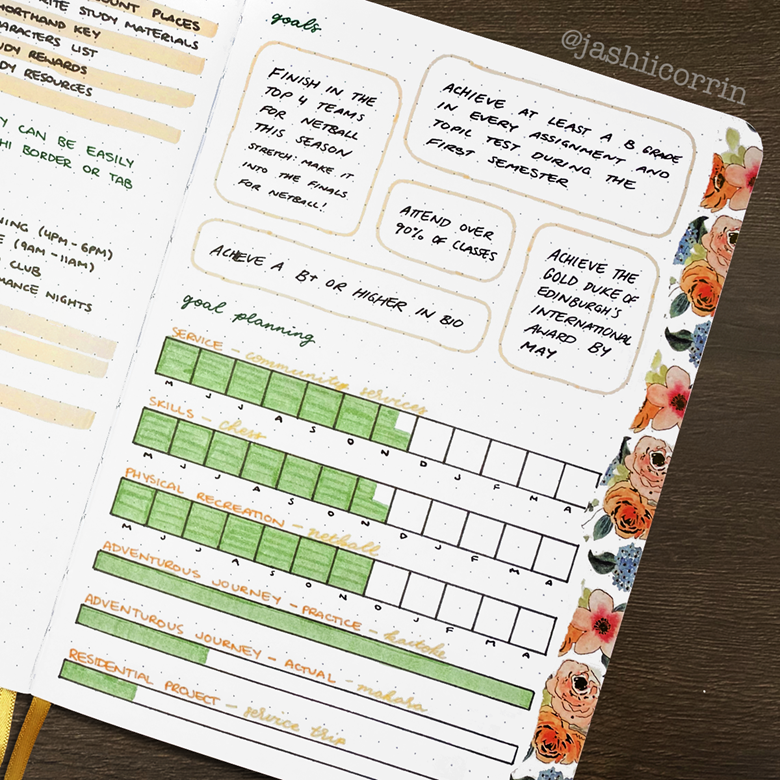
The foundation of any productive student routine is a clear picture of what needs to happen and when. Apps like Notion, Google Calendar, and Todoist allow you to externalize your workload so your brain is not constantly tracking deadlines in the background.
The key is not just using a planner. It is using it consistently. Set up a weekly skeleton at the start of each week: block your classes, your deep work sessions, your meals, and your recovery time. When your day is pre-decided, you spend less cognitive energy figuring out what to do next and more on actually doing it. For a deeper look at this approach, see our guide on time management for students during high-pressure semesters.
2. Time-Boxing and Focus Timers
Studying without a defined end point is one of the fastest ways to lose focus. The Pomodoro Technique, which involves working in focused 25-minute intervals followed by short breaks, has strong research support for improving sustained attention and reducing mental fatigue.
Apps like Forest, Be Focused, and Toggl Track make this easy to implement. The psychological effect of a countdown timer should not be underestimated: it creates urgency and closure in a way that an open-ended “I will study until I feel done” approach cannot.
3. Distraction Blocking and Environmental Design
Your environment shapes your behavior more than willpower does. Tools like Freedom, Cold Turkey, and even your phone’s built-in focus modes can block distracting apps and sites during work sessions, removing the option to drift before the habit of drifting forms.
Physical environment matters too. A dedicated study space, good lighting, noise-canceling headphones, and removing clutter all reduce the low-level cognitive friction that erodes focus over time. This applies just as much to gamers and content creators as it does to students in a library. Our post on avoiding burnout and maintaining gaming focus covers the environmental side of sustained performance in detail.
4. Note-Taking Systems That Reduce Cognitive Load
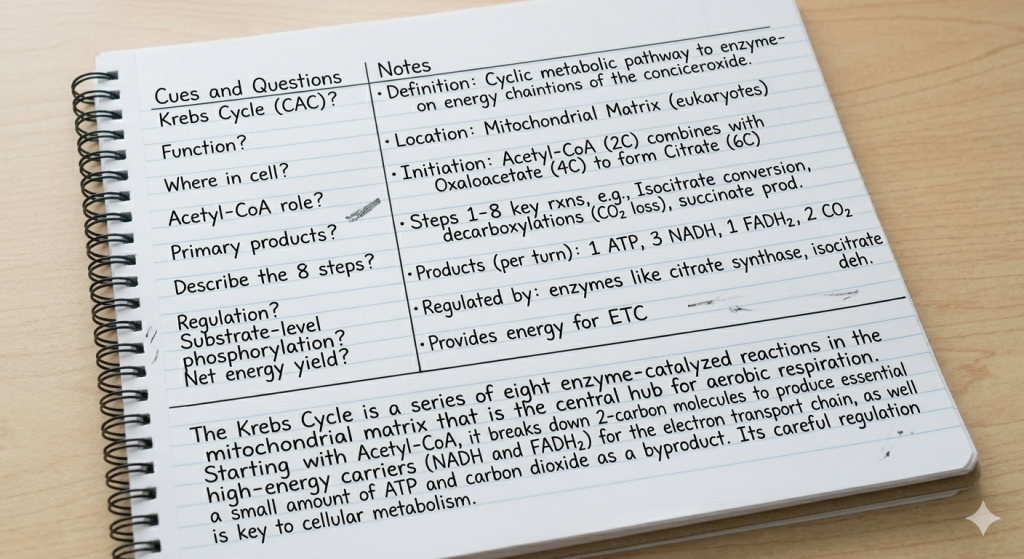
Re-reading is one of the least effective study strategies, yet it is what most students default to when they are tired. Replacing passive re-reading with active recall, which means retrieving information from memory rather than looking at it again, significantly improves retention and reduces the total time needed to learn material.
Systems like the Cornell note-taking method, spaced repetition via Anki, and the Feynman technique (explaining concepts in plain language to test understanding) all support this. When your study methods are more efficient, you spend less total time working for the same or better results.

Where Focus Medicine Fits In
Once a student has built a solid foundation (a planned schedule, a structured environment, and efficient study methods), focus medicine becomes a meaningful conversation.
Focus medicine refers to products designed to support sustained attention, alertness, and mental clarity during demanding cognitive tasks. The category includes everything from caffeine-based supplements to nootropic stacks that target specific aspects of cognitive performance. If you want to understand what the science actually says about caffeine and the brain, our piece on caffeine and cognitive performance goes deep on dose, timing, and delivery. The key distinction is this:
- Focus medicine supports a system that already works. It does not build the system for you.
- It helps you arrive at your study block ready to work. It does not replace the planning, sleep, and structure that make the study block productive.
Used responsibly, focus medicine can be a legitimate layer of a student’s productivity system. Used as a substitute for sleep or structured habits, it delivers diminishing returns and often makes the underlying problems worse.
Final Thoughts
Staying on track as a student is not about finding one perfect tool or supplement. It is about building a layered system planning that eliminates decision fatigue, an environment that reduces distraction, study methods that maximize efficiency, and cognitive support that helps you perform at your best inside the structure you have built.
Focus medicine, used correctly, is one piece of that system. A legitimate piece but not the whole picture. The students who consistently outperform are not the ones who push hardest. They are the ones who show up most consistently, most recovered, and most prepared. If you are looking for a practical starting point, our post on a more realistic way to get through long study sessions walks through exactly how IgniteFocus fits into a real student routine.
Build the system first. Then use every tool available to protect it.